

Short answer
Melted vinyl siding happens when heat above roughly 165°F reaches the panels. Blame the heat, not the siding. Most of the time the culprit is sunlight reflected off windows, a grill or fire pit parked too close to the wall, or a fire nearby. Heat-damaged panels can’t be reshaped or patched flat. Replace them, and deal with the heat source first so the new panels don’t warp as well.
You walk outside on a hot afternoon and one patch of siding looks like it spent an hour in an oven. Bubbled. Drooping. Rippled like a potato chip. Scary? Sure. Still, as siding damage goes, this kind is easy to read. Start with where the damage sits and what shape it takes. That alone usually points to the cause. That decides your next move.
What Causes Vinyl Siding to Melt?
Vinyl is plastic, and plastic has a limit. The industry term for what happens next is thermal distortion. A glass manufacturer’s technical bulletin on siding distortion puts the point where vinyl starts to soften at around 165°F. A sunny wall already runs hot. It doesn’t take much extra to cross that line. Five sources account for most of the melted siding problems homeowners report.

Sunlight reflected off windows
Of all the causes, this one surprises people most. By the time you notice, the wall has cooled and nothing feels hot. Double-pane windows throw sunlight back at a shallow angle. Clear glass does it too, the bulletin points out, and not only the coated low-E glass sold as energy-efficient. Insulated glass units also flex a little with changes in temperature and air pressure. A pane that bows inward acts a bit like a weak magnifying glass, and the reflection tightens up. The worst spot? An inside corner. The siding gets direct sun and reflected sun at once, close to double the normal exposure.
The tell is the pattern, so look closely. Reflection damage looks like a streak, an oval, or a patch of warped panels. Look at the wall facing a neighbor’s windows, or at your own storm door. It turns up in warm months, on clear afternoons.
Grills, fire pits, and outdoor heaters
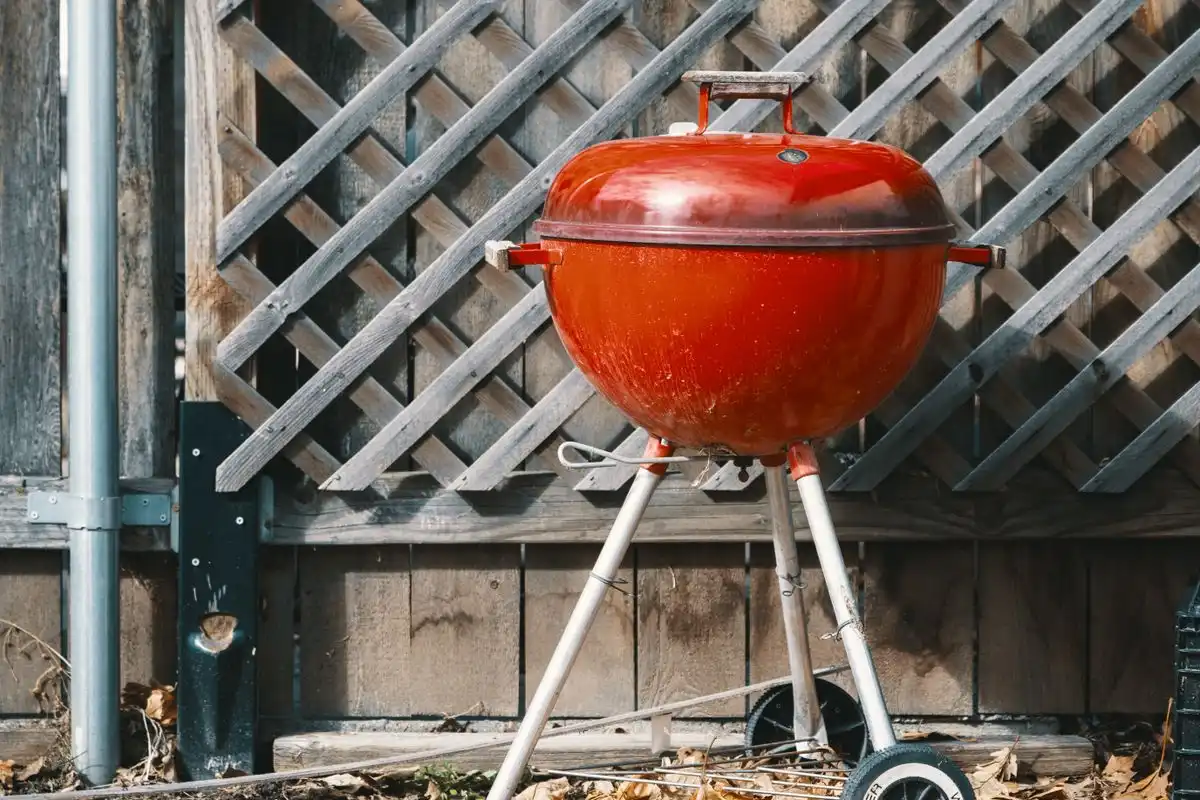
Close the lid and a gas grill still throws heat out the sides and back. One grease flare-up and flames can be climbing the wall in seconds. Fire safety guidance says to park a grill about ten feet from the house. Grill damage sits at grill height, right where the grill stood. The panels look glossy, bubbled, or sagging, sometimes with soot.
Dryer vents, exhaust, and hot fixtures
The slow kind is easy to miss. Hot air from a dryer vent hood or exhaust outlet, blown at the same panels for years, can leave them soft, wavy, and starting to buckle. A floodlight mounted a few inches from the siding does the same thing on a smaller scale.
Fire near the house
A burn pile, a trash fire, or a car fire beside the house can melt a big section in minutes. That’s a different kind of problem. Look at the wall behind the siding, not just the panels, and brace for an insurance conversation.
Dark siding colors
Color won’t melt siding by itself, but it raises the baseline. The same bulletin suggests siding with 40% or lower solar absorptance in high-risk spots. In practice, that means lighter colors. Navy, charcoal, and deep green take on the most heat.
Melted, Warped, or Something Else? How to Tell
Not every wavy panel is heat damage. Match what you see to the likely cause below. The fix changes with the answer.
| What you see | Likely cause | Heat damage? |
|---|---|---|
| Glossy, bubbled, or drooping spot at grill height | Grill or fire pit too close | Yes |
| Rippled streak or patch, worse on sunny afternoons | Reflection from a window | Yes |
| Charred or blackened edges, soot | Fire or a grease flare-up | Yes |
| Waves running along a whole wall | Panels nailed too tight to expand | Partly |
| Small round dents | Hail | No |
| Cracks, chalky or brittle panels | Age and sun exposure | No |
Why Is My Vinyl Siding Warped?
Warped vinyl siding is not always melted vinyl. Vinyl expands in heat and shrinks in cold, and panels are meant to slide a little along their nailing strip. When nails are driven in tight, or a panel is pinned by trim, the panel has nowhere to go and buckles into waves, usually along a whole wall or the sunniest side of the house.
Heat is the other common cause. Reflected sunlight, a grill parked too close, or dark siding colors can soften a section until it ripples or sags, and that kind of warping stays in one patch rather than running the full length of the wall. A quick way to tell them apart: broad waves across many panels point to nailing or expansion, while a rippled patch with a glossy or drooping look points to a heat source.
If you are unsure which one you have, describe the shape and location of the warping when you call, and the contractor can tell you what to look at next.
A 10-Minute Check to Find the Heat Source
Before you spend a dollar, find out what is heating the wall. You need your phone, and a handheld infrared thermometer from a hardware store if you have one.
- Note the wall’s direction. West- and south-facing walls take the harshest afternoon sun. That’s where reflection damage tends to show up.
- Look at it three times. Look at the damage in the morning, around noon, and near 4 p.m. Reflection damage shifts with the sun’s angle. Damage from a grill or a vent doesn’t care what time it is.
- Look back at the glass. Stand at the damaged spot and turn to face the nearest windows. If a bright patch of light crawls across the siding through the afternoon, that’s reflected sunlight.
- Take a temperature reading. In full afternoon sun, point the infrared thermometer at the damaged area, then at the rest of the wall. Compare both against the 165°F distortion point. Whichever spot reads hottest is where the extra heat lands.
- Walk the wall. Make a note of any grill, vent, or light fixture within a few feet of the damage, and whether it runs hot.
Take dated photos as you go. Photos back up an insurance claim. They also help a contractor decide whether to replace the panels, move something, or add shade.
How Do You Fix Melted Vinyl Siding?
You replace it. For heat damage, vinyl siding repair really means panel replacement. Once vinyl softens and cools, it stays warped. Heat guns, fillers, and patch kits only make a visible mess. Caulk or a patch is fine for a small crack or a nail-sized hole. A panel that has sagged or bubbled is past saving.

- Stop the cause first. Move the grill, shade the glare, or reroute the vent. Skip this and the new panel warps the same way.
- Photograph everything. Wide shots, close-ups, dated if you can. They help with an insurance claim or a talk with a neighbor.
- Identify the profile and color. Siding fades with weather, so a new panel can look brighter than the wall around it. Some contractors will pull a panel from a hidden spot, like behind a downspout, and use it for a better match.
- Replace the panel. A zip tool unlocks the old panel. The new one goes up with nails left slightly loose, so it can move as it heats and cools.
- Check the wall underneath. If the sheathing behind the damage is soft, dark, or scorched, deal with it before new siding goes over it.
How to Stop Vinyl Siding From Melting Again
Replacement only works if the cause is gone. Match the fix to the source.
- Window reflection: exterior screens, an awning, shutters, or strategic landscaping, such as shrubs and a trellis, to shade the reflection zone. Window film can help. Ask the window maker first, though. Film can affect the glass warranty or add stress to the unit.
- Grills and fire pits: keep them well out from the wall and clear of eaves. Never against the siding. Closing the lid doesn’t trap all the heat.
- Vents and fixtures: pick a vent hood made for siding, and mount hot fixtures a safe distance from the panels.
- Siding choice: choose lighter colors for walls that face glass, and think twice about an inside corner next to large windows. When the reflection can’t be stopped, a different material such as fiber cement may be the safer long-term choice.
- A neighbor’s windows: start with a friendly conversation, and bring photos. Plenty of neighbors will add a screen or film once they see the damage.
What Else Can Reflected Heat Damage?
Siding is rarely the only casualty. That same concentrated light has been blamed for warped vinyl fencing, softened trash bins, and scorched artificial turf. Trim and car parts have taken hits too. Spot one of these near a bright window? Treat it as a warning for your siding too, and keep anything flammable out of the glare zone.
Does the Siding Warranty Help?
Sometimes, but don’t bank on it. Many warranties exclude damage from outside heat sources. A manufacturer may argue that a neighbor’s glass or your own grill falls outside coverage. Ask anyway. It costs nothing. Keep the brand, the color, and your dated photos handy when you call.
Who Pays for Melted Vinyl Siding?
That depends on the cause, and none of this is insurance or legal advice. Fire damage is the clearest case. A standard homeowners policy typically covers it. Accidental grill damage is covered under some policies and excluded under others. Reflected-sunlight damage is the one insurers dispute most. Call your insurer before you repair. Keep your photos. And find out your deductible. Replacing a few panels can cost less than it.
When to Call a Pro
One panel is a manageable job for a confident DIYer. Call a contractor if the damage spans several panels or wraps an inside corner. Call if you can’t match the color, or suspect the wall behind it is damaged. And call if the cause is a window that will keep reflecting until someone deals with it. A local siding contractor can check the panels and the wall, then tell you whether a swap is enough.
Melted or Warped Siding on Your Home?
Describe what you’re seeing and get connected with a local Gastonia-area contractor who can take a look.
Call a Local Contractor About Melted SidingFrequently Asked Questions
What causes vinyl siding to melt?
Heat above about 165°F. Common sources: sunlight reflected off windows, a grill or fire pit set too close to the wall, dryer or exhaust vents, hot fixtures, and fires near the house. Dark siding colors make each of these worse.
How do you fix melted vinyl siding?
Replace the damaged panels. Melted or warped vinyl can’t be reshaped. Patches only suit small cracks or holes. Fix the heat source before installing new panels, or they can warp the same way.
At what temperature does vinyl siding melt?
Vinyl begins to soften and distort at around 165°F, according to a glass manufacturer’s technical bulletin. Other sources quote 160°F to 165°F. That’s well below the point where plastic burns, and a hot wall with added reflected sunlight can get there.
Can a grill melt vinyl siding?
Yes. Heat from a grill parked near the wall, or flames from a grease fire, can bubble or sag the panels beside it. Safety guidance generally puts grills about ten feet from the house.
Can windows really melt vinyl siding?
Yes. Reflected sunlight from double-pane glass can concentrate heat on a nearby wall. Inside corners are the worst, since the siding already gets direct sun there. The damage looks like a rippled streak or patch, not a burn mark.
Can I repair melted siding without replacing the panel?
Not in a way that lasts. You can seal a small crack or hole. A panel that has sagged, bubbled, or rippled from heat won’t go back to flat. Replacement is the reliable fix.
Does homeowners insurance cover melted vinyl siding?
Sometimes. Fire damage is usually covered. Accidental grill damage depends on the policy. Reflected-sunlight claims are often disputed. Call your insurer before repairing, and keep dated photos.
Will window film stop siding from melting?
It can cut the reflection, but it’s no guarantee. Ask the window manufacturer first. Film can affect warranties or add stress to the glass. Screens, awnings, or shade help too.
Melted Siding Help in Gastonia and Gaston County
North Carolina summers are hot and sunny. That makes reflected heat a real issue, especially on walls that face glass in the afternoon. If you’re not sure whether you have a heat problem or a bigger one, you can explore our siding services in Gastonia or call the number at the top of the page and describe what you see. Near Gastonia but not sure your town is covered? The siding service areas across Gaston County page lists the nearby towns. Near Lake Norman and not sure what to do next? Here is siding repair for Mooresville homes.
Temperature and reflection details come from a Cardinal Glass technical bulletin on vinyl siding distortion. Siding Repair Gastonia NC is an information and referral website. Repairs are carried out by independent local contractors.
Leave a Reply